-
How to Replace A Brick
How to Replace a Brick - Step by Step Instructions
For many different reasons, the bricks can get damaged, marked or stained. You may simply have had a wall hanging fixed to a brick with the help of hook in a wall plug and are now left with a messy hole. Replacing a single brick is not a difficult task but you will need a power drill, a 6 or 7mm masonry bit, a lump hammer and a sharp cold chisel. A jointing or plugging chisel is very useful also. To replace the brick you will need a little sand and cement mixed to the required proportion and a pointing trowel.
First use the power drill and masonry bit to drill holes in the joint surrounding the brick and in the brick itself. The more holes the better.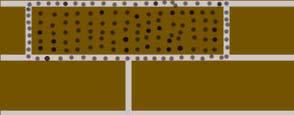
Next, using the cold chisel, even a bolster chisel, chop out the brick. The drilling will have made this considerably easier and if you have drilled all the way into the brick, about 100mm, you should have no trouble removing all it. For fiddly corners and sections of the mortar bed which always seem to want to stay there, use a jointing or plugging chisel. These are really sharp and the acute angle of the blade allows you to get right to where you need to be.
Having removed the brick, sweep out the hole with a paint brush or similar and get your mix of sand and cement ready. Place a bed on the floor of the hole and make sure it is a little thicker than the bed joint that you removed. If you can now, using the pointing trowel, get some to stick to either side of the hole. Now spread some on the top of the new brick and pat down a little to help it adhere to the surface.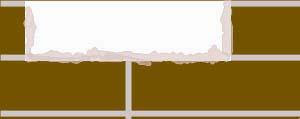
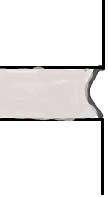
Push the brick into the opening. Some mortar will squash out so cut this off with the trowel. Wiggle the brick about so it sits level in the opening and the joints line up with the existing joints. With the help of the pointing trowel push in more mortar where you can see any voids. Finally point up the new joints to match the existing shape. If the joints of the wall are in the shape shown below, this is called bucket handle pointing and is easily achieved by chopping 6 inches from the end of your hose pipe and running it along the joint.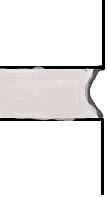
.

Subscribe to:
Post Comments (Atom)


