-
Preservation of Timber
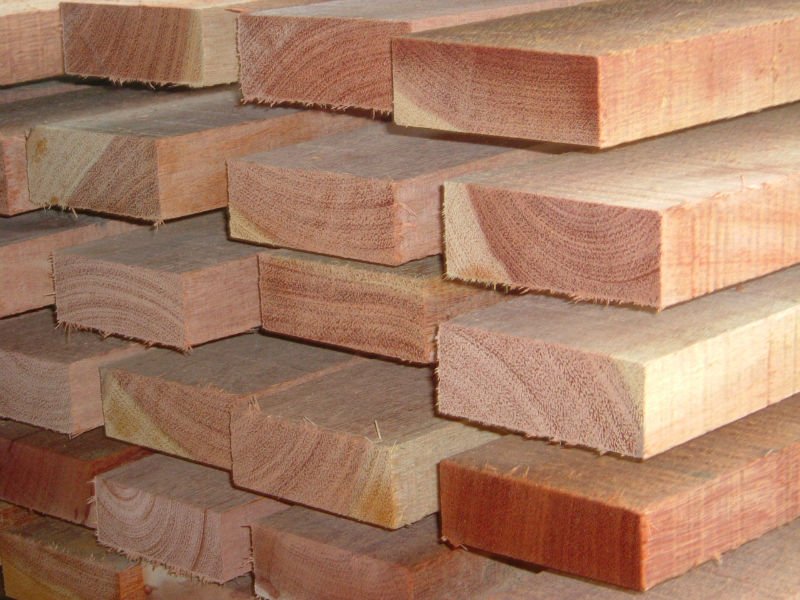
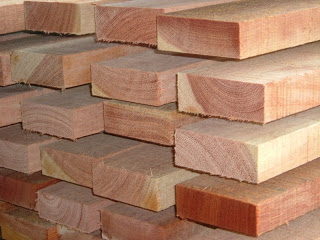 Preservation of Timber is the process of protecting or preserving the timber structures from the attack of destroying agencies such as moisture, dry-rot, internal decay, fungi, insects, etc. Preservation of timber also ensures increased life of timber and better durability.
The basic principle employed for preservation of timber is to poison the food of fungi in the form of preservatives. The success of preservative treatment depends on proper choice of preservative and the method of its application. Therefore, before using timber for structural purposes, it should be properly seasoned and treated with a suitable type of preservative.
The following are the requirements of a good preservative:
(i) Timber is a comparatively cheaper material hence preservative should also be cheap so as to limit the overall cost of timber.
(ii) It should be easily available and also capable of being applied by a non-skilled or semi-skilled person.
(iii) It should be quite efficient in killing (i.e., poisonous) fungi and insects but should be safe and harmless for persons and animals.
(iv) It should offer high resistance to fire, moisture and dampness.
(v) It should be pleasing in appearance after treatment, but should be odourless and colourless.
(vi) It should have the capability of covering a large area with a smaller quantity.
(vii) It should have high penetrating power, stability and durability.
(viii) It should not be affected by heat, light, etc.
(ix) It should not be easily washed away by water.
(x) It should not corrode or react with building materials which come in contact with timber.
The following types of preservatives are commonly used:
(A) Oil preservatives like creosote oil, oil paints, solignum paints, coal tar, etc.
(B) Water soluble preservatives – These preservatives contain organic or inorganic salts like zinc chloride, boric acid, sodium fluoride, etc.
(A) Oil preservatives: They are generally employed for out-door and wet exposure conditions. Although they possess high toxicity and non-corrosive qualities but they offer painting difficulties. They are adopted for treatment of members like posts, poles, piles, etc. since they are difficult to handle and give unpleasant odour.
(B) Water soluble preservatives: These preservatives are commonly adopted for interior wood work since they are washed away by rain water. They are colourless, odourless and involve very little fire hazard. Timber treated with such preservatives can be painted or varnished easily.
Methods of Preservation of Timber:
The following methods for treating the wood with preservatives are used:
(i) Charrying, Tarrying and Creosoting.
(ii) Surface Application- Brushing
- Spraying
- Dipping
(iii) Soaking Treatment
(iv) Hot and Cold Process.
(v) Pressure Process.
(vi) ASCU Treatment.Find More About,
Timber
Structure of a Timber Tree
Properties or Characteristics of Timber
Defects of Timber
Diseases of Timber - Dry and Wet Rot
Decay of Timber
Seasoning of Timber
Methods of Seasoning of Timber
Preservation of Timber
Subscribe to:
Post Comments (Atom)


