-
Underpinning
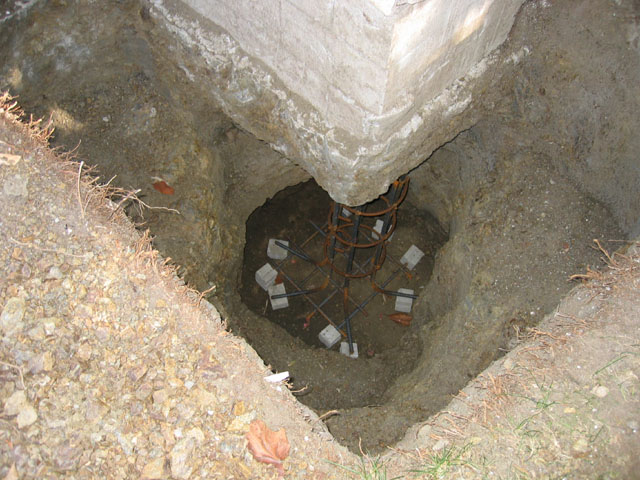
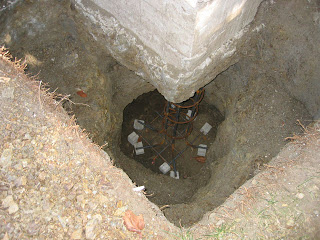 The term underpinning is applied to the construction of a new foundation underneath and existing one for strengthening purposes, without endangering the stability of the exisiting structure. During underpinning, the existing structure is required to be temporarily supported by means of raking shores.
The use of underpinning becomes essential to meet the followng requirements under different situations:
1. To strengthen the shallow footing of the existing building, when a building with deep foundation is to be constructed adjoining to it.
2. To safeguard against the danger of excessive or differential settlement of foundation of existing structure.
3. To deepen the exisiting foundation to increase its bearing capacity so as to sustain heavier loads, may be by extending of shores.
4. To provide a basement to an exisitng building structure.
Before starting the underpinning operations, the following general measures should be taken,
1. The structure of the building should first be examined for weakness such as poor brickwork or masonry and for effects of settlement which may arise during the coarse of underpinning operations.
2. Temporary supports should be provided by adequate shoring and by strutting up of openings and inside of floors.
3. During underpinning of high structure, it becomes necessary to keep a check on any possible movements. For this purpose the level may be marked on the structure in advance by taking readings of plumb bobs suspended from high points on the structure.
Methods of Underpinning
There are several methods of underpinning the foundation but three methods are usually adopted. They are,
1. Pit method,
2. Pile method,
3. Pier method.
Subscribe to:
Post Comments (Atom)


