-
Patio Pavers
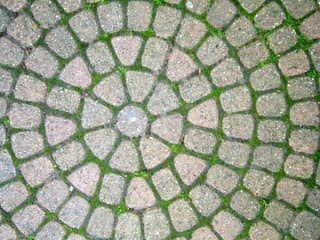 A new patio pavers installed in your back yard is a very valuable addition to any home. Most people would love to have a nicely landscaped and hardscaped area where they can enjoy nice evenings and grill out. Unfortunately, without a patio, this is tough to do. When considering what type of material to use for your new patio, there's only one option that is cost effective, aesthetic, and durable.
Pavers provide home owners with a variety of texture and color. Additionally, they are much more durable to cracking due to settling and freeze thaw than concrete slabs. The reason they do not crack like their concrete slab counterparts, is that each paver is its own miniature slab. The larger a concrete slab, the more brittle it is due to the fact that it is longer and wider than it is thick. Pavers are small, individual bricks that are about as thick as they are long or wide. Therefore, pavers are much stronger, more dense, and can withstand heavier loads than concrete slabs. Since they interlock, pavers can also flex during freeze thaw periods. Concrete slabs on the other hand, cannot flex, but instead, crack.
When considering a new patio paver, you need to consider the size, shape, location, and elevation. Ideally, your backyard is relatively flat, partially shaded, and large enough to accommodate a patio. Your paving contractor will need access in order excavate the area to be paved and to bring in base material and pavers. Most patios are built with four inches of base material beneath, some sand, and then the pavers. To get an idea of how deep the excavation will need to go, determine where you want the height of the patio surface to be, then estimate an additional six to seven inches below that. A small, two hundred square foot patio would require 4500 kgs of base material and a 500 kgs of sand in order to properly install a solid base for the pavers to be installed upon. Base materials vary by region, but recycled concrete tends to be the best.
If you already have an existing concrete patio, thin one inch pavers can easily be installed over top. If you want to expand the existing patio using pavers on top of and outside of where the concrete currently sits, then, thick, two and three eighths inch pavers should be used throughout. This way you won't have any color or shade variation between thick and thin pavers that were produced at separate times, but instead a consistent field with the same material.

Subscribe to:
Post Comments (Atom)


